1. French Baking Hierarchy Explained
In France, baking is divided into three strictly regulated guilds, each requiring distinct master training:
- Boulangerie (Bread Baking): Focuses on crusty hearth loaves, traditional baguettes, sourdough (pain au levain), and rustic country breads.
- Viennoiserie (Enriched Laminated Bakes): The bridge between bread and pastry—croissants, pain au chocolat, brioche, and morning buns.
- Pâtisserie (Fine Dessert Artistry): Delicate chilled creations including fruit tarts, eclairs, mille-feuille, macarons, and mousse domes.
2. Lamination Mechanics: The Art of the 'Tourage'
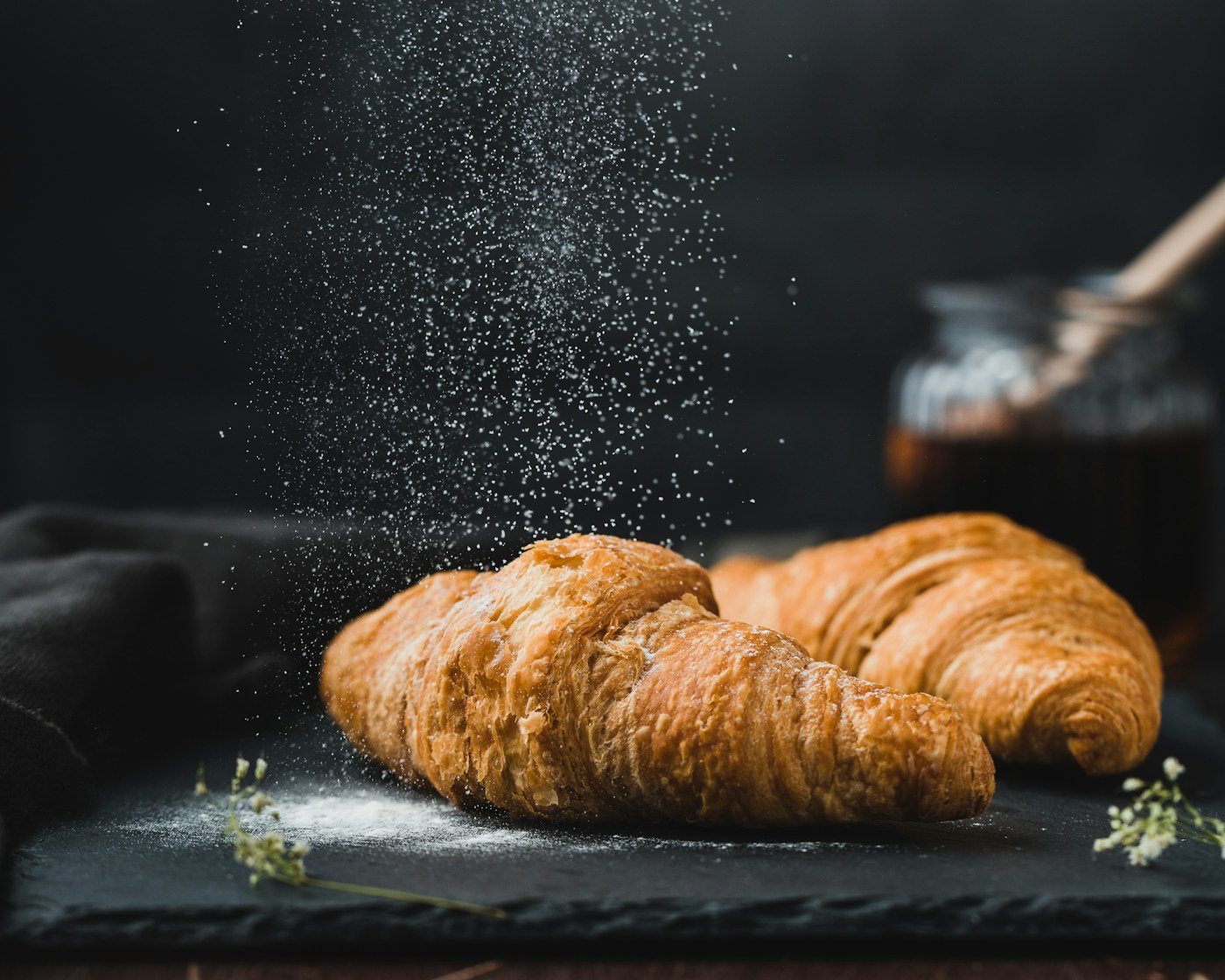
The magic of the croissant lies in tourage (lamination)—the mechanical process of encasing a chilled block of butter (beurrage) inside a lean yeast dough (détrempe) and repeatedly folding and rolling it.
A classic French croissant undergoes three "single folds" or two "double folds," creating between 27 and 81 microscopic, alternating layers of cold butter and dough. When placed in a 400°F oven, the water inside the butter layers instantly vaporizes into steam, puffing the dough sheets upward like miniature parachutes while the melting butterfat fries the surrounding flour into delicate, wafer-thin crisps.
3. The 82% European Butterfat Mandate
Standard American grocery store butter is legally required to contain only 80% butterfat, with the remaining 16% to 18% being water. When laminated, that excess water steams out too early, turning the dough sticky and causing butter to leak onto the baking sheet.
Artisan bakers use European-style or cultured butter containing 82% to 84% butterfat. This higher fat percentage yields unmatched plasticity, allowing the butter sheet to roll paper-thin without breaking or tearing into the dough layers.
4. How to Judge a Croissant Like a French Judge
Before taking a bite of a Jacksonville croissant, evaluate it using the traditional four sensory criteria:
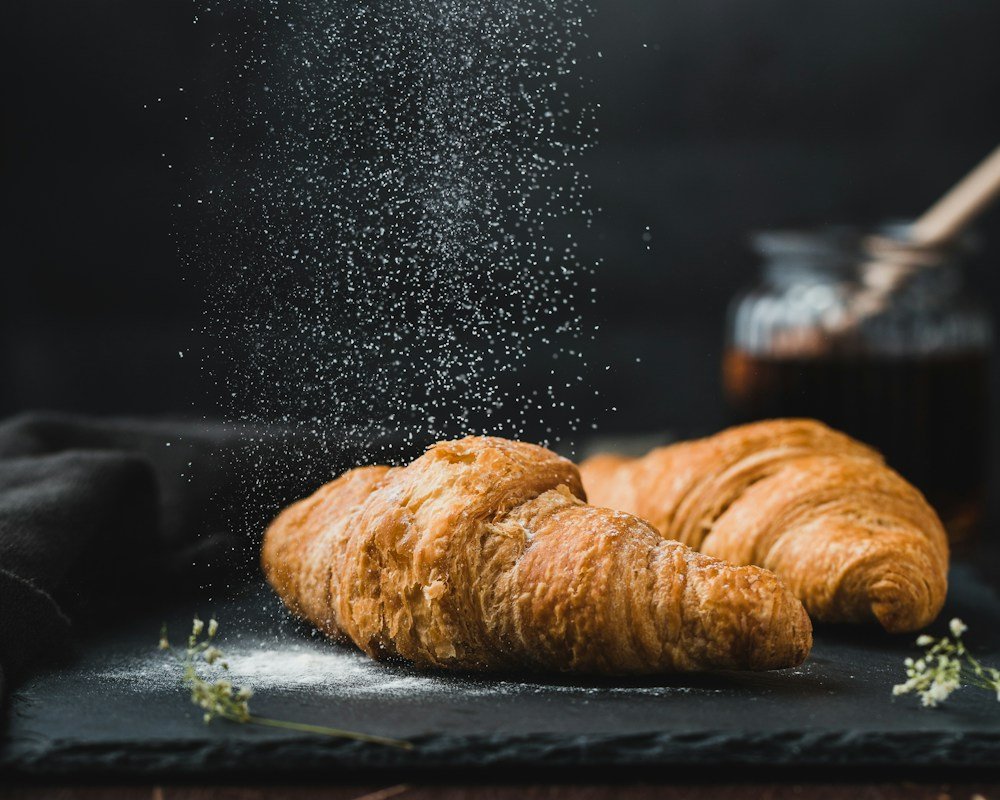
- Visual Exterior: Look for a deep golden-amber to chestnut brown color. Pale yellow croissants are under-baked and taste like raw flour.
- The Squeeze Test: Gently compress the center with two fingers. You should hear a distinct, audible crackle, and the croissant should spring back immediately.
- The Honeycomb Cross-Section (Alveolage): Slicing a croissant in half should reveal an open, translucent web resembling a spiderweb or beehive honeycomb. Dense, bread-like breadcrumb indicates poor temperature control or under-lamination.
- Clean Mouthfeel: A great croissant tastes decadently buttery but leaves no greasy residue coating your tongue or lips.
5. Top French & Laminated Pastry Spots in Jax
Experience world-class lamination in Jacksonville at these verified bakeries:
- The French Pantry (Southside): Authentic baguettes and multi-layer European pastries.
- Cruffin & Tea (Southside): Innovative lamination pairing classic French technique with matcha and lavender fillings.
- Blueberry Artisan Bakery (San Marco Area): Classic French pain au chocolat and glossy fresh fruit tarts.
6. Reheating Rules: Restoring Flakiness at Home
Never use a microwave: Microwaving agitates water molecules inside the pastry, turning the delicate butter layers into limp, rubbery dough.
The Oven Method: Preheat your oven or toaster oven to 350°F. Place the croissant directly on the wire rack for 3 to 4 minutes. Allow it to sit on a plate for 1 minute before eating; as the butter cools slightly, the wafer-thin outer layers will shatter crisp once more.