1. Defining the Artisan Bakery vs. Industrial Bread
Walk down any standard American supermarket aisle, and you will see dozens of plastic-wrapped loaves stamped with the word "artisan." In reality, these commercial factory breads contain mono- and diglycerides, calcium propionate, azodicarbonamide, and isolated commercial fast-action yeasts designed to produce high-volume sandwich loaves in under two hours.
True artisan bread baking is fundamentally different. It is an ancient craft governed by biological time, seasonal ambient humidity, stone-ground unbleached grains, and hands-on dough manipulation. In Jacksonville's premier bakeries, a single loaf of sourdough takes between 24 and 48 hours to create from initial flour autolyse to final cooling rack.
2. The Biology of Long Wild Fermentation
Authentic sourdough does not rely on store-bought packets of commercial baker’s yeast (Saccharomyces cerevisiae). Instead, it depends on a live sourdough starter (levain)—a symbiotic ecosystem cultivated from wild yeasts (such as Candida humilis) and lactic acid bacteria (specifically Lactobacillus sanfranciscensis).
Why Long Fermentation Improves Digestion:
- Enzymatic Gluten Breakdown: During a 24- to 36-hour cold retard in the walk-in cooler, bacterial enzymes pre-digest complex wheat proteins (gliadin and glutenin), rendering sourdough significantly easier to digest for individuals with non-celiac gluten sensitivity.
- Phytic Acid Neutralization: Natural acidity activates phytase enzymes that break down phytic acid (an anti-nutrient present in grain husks that binds to zinc, iron, and magnesium), allowing your body to absorb more trace minerals.
- Low Glycemic Response: The organic lactic and acetic acids slow down the rate at which glucose is released into the bloodstream, preventing sugar spikes.
3. Hydration Percentages & Steam Deck Ovens
Two technical factors distinguish artisan bread from ordinary bread:
Dough Hydration (75%–85%): Artisan bakers use Baker's Percentages, measuring water weight against total flour weight. While commercial doughs operate around 60% hydration (yielding a tight, uniform crumb), artisan hearth loaves use 75% to 85% hydration. This high moisture content creates steam pockets during baking, resulting in the irregular, open "custardy" crumb structure cherished by sourdough enthusiasts.
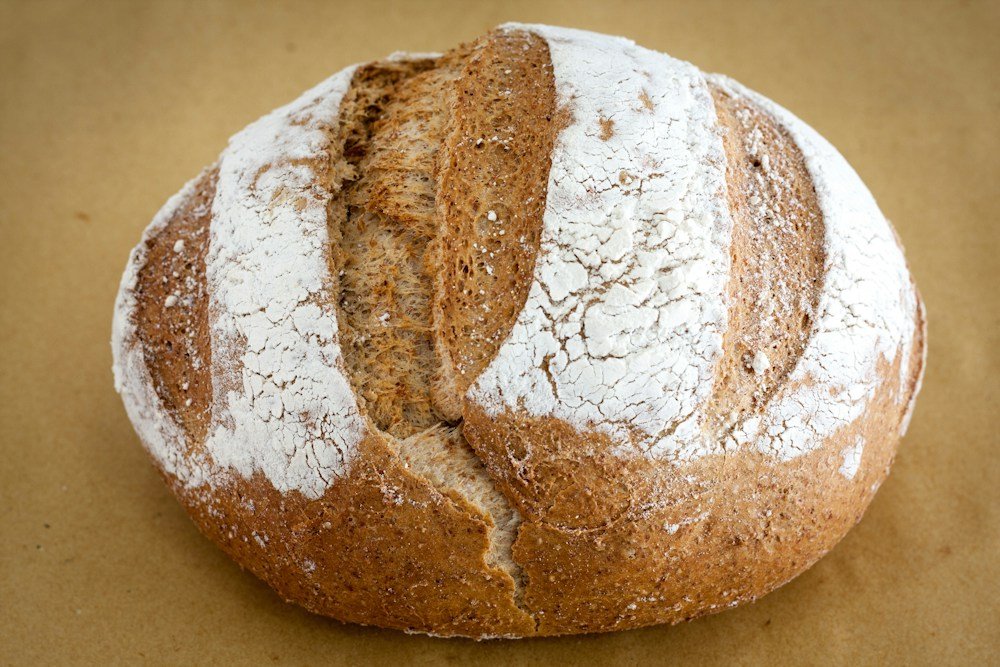
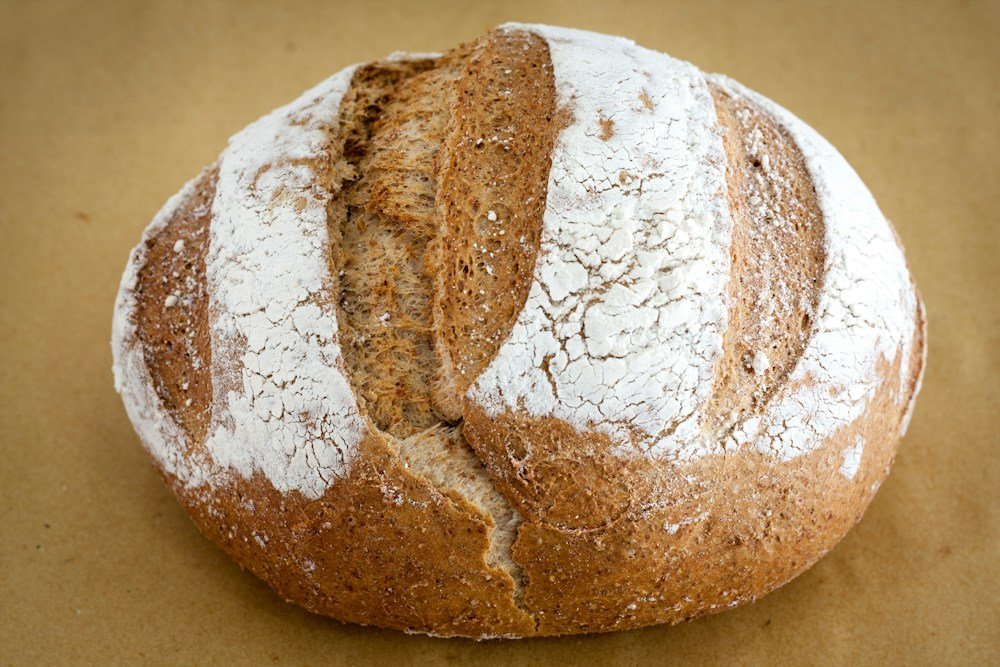
Steam Deck Ovens: A standard home convection oven blows dry air, which causes bread crust to harden prematurely before the loaf can expand. Artisan bakeries invest in heavy stone deck ovens equipped with high-pressure steam boilers. For the first 10 minutes of baking, steam blankets the loaves, keeping the outer dough skin supple and allowing the dough to expand to maximum volume (creating the dramatic "ear" ridge along the scoring line) before caramelizing into a glass-crisp, blistered mahogany crust.
4. Jacksonville's Premier Sourdough Artisans
Duval County’s bread culture is anchored by three remarkable establishments:
Community Loaves
1116 Edgewood Ave S, Murray Hill • (904) 381-0097
Bakes with 100% certified organic stone-ground flours. Their signature Country Loaf features a dark caramelized blistered crust, complex wheaty tang, and elastic open interior. Also offers seeded rye, baguettes, and organic sourdough sandwich loaves.
View Full Bakery Profile →On Powers Avenue, The French Pantry produces Jacksonville’s definitive French baguettes—shatteringly crisp with a tender white crumb—supplying high-end restaurants across the First Coast. In Historic Springfield, 1748 Bakehouse incorporates heirloom flours into daily sandwich loaves and seasonal savory galette crusts.
5. Home Storage: Preserving Crust & Reviving Stale Loaves
The Refrigerator Rule: Never, under any circumstances, store artisan bread in the refrigerator. Cold temperatures (35°F–40°F) trigger rapid starch retrogradation (recrystallization of amylose), causing the loaf to become dry and stale up to four times faster than at room temperature.
How to Keep Bread Fresh:
- Days 1–3: Store cut-side down on a wooden cutting board, or inside a breathable unbleached linen bread bag. The crust stays crisp while the interior retains moisture.
- Freezing: If you cannot finish a loaf within three days, slice the entire loaf, stack slices with parchment separators, seal in an airtight freezer bag, and freeze for up to 3 months. Pop individual slices directly into the toaster.
- Reviving a Whole Loaf: If an uncut loaf feels hard after 3 days, run the entire exterior under cold tap water for 3 seconds, then place on the middle rack of a 375°F preheated oven for 8 to 10 minutes. The moisture turns to internal steam, restoring a crispy crust and warm, tender crumb.